 Business License

Comprehensive utilization of recycled aluminum ash annual production of 100000 tons of aluminum slag
Certainly! Here's a professional analysis titled:
Comprehensive Utilization of Secondary Aluminum Ash Solid Waste: Analysis of a 100,000-Ton Annual Treatment Project
1. Overview
Secondary aluminum ash (also known as secondary aluminum dross) is a hazardous solid waste generated during the aluminum recovery process from primary aluminum ash. It typically contains:
Residual metallic aluminum (1–5%)
Aluminum oxide (Al₂O₃)
Aluminum nitride (AlN)
Salts (NaCl, KCl)
Other compounds (fluorides, oxides, etc.)
Owing to its high toxicity, high fluoride and ammonia-nitrogen content, and environmental hazards such as spontaneous combustion and leaching of heavy metals, the safe and resource-efficient treatment of secondary aluminum ash is both an environmental necessity and a market opportunity.
This analysis focuses on the feasibility, technical pathway, market value, and challenges of a facility capable of comprehensively treating 100,000 tons of secondary aluminum ash annually.
2. Characteristics of Secondary Aluminum Ash
Component Typical Proportion (%) Al₂O₃ (Aluminum Oxide) 40–60% NaCl, KCl (Salts) 20–30% AlN (Aluminum Nitride) 5–15% Metallic Al 1–5% Others (impurities) 5–10%
Environmental Hazards:
Releases NH₃ gas when exposed to moisture due to AlN
Leaches fluoride and heavy metals into soil and water
Risks of spontaneous combustion
High alkalinity and corrosiveness
3. Treatment and Utilization Pathways
A. Resource Recovery Route
Aluminum Recovery
Salt Recovery
Oxide Utilization (Al₂O₃, CaO, SiO₂)
AlN Passivation
B. Co-Processing Approach
Cement Kiln Collaborative Disposal: Secondary aluminum ash is used as an alternative raw material and energy source in cement kilns.
Thermal Stabilization + Landfill: After calcination at 800–1000°C, the ash becomes inert and suitable for safe landfill.
4. Project Capacity: 100,000 Tons/Year
Key Assumptions
Indicator Value Processing Capacity 100,000 tons/year Residual metallic Al content ~3% average Aluminum oxide (usable) ~45% Recovered salt (NaCl/KCl) ~25% Recovery rate of AlN as Al₂O₃ ~90% after passivation
5. Economic Benefit Estimation (Annual)
Resource Recovered Quantity (Tons) Unit Price (USD/ton) Revenue (USD) Metallic Aluminum 3,000 $1,800 $5.4 million Salt (NaCl/KCl mix) 25,000 $250 $6.25 million Al₂O₃ / construction fill 45,000 $80 $3.6 million Total Revenue — — $15.25 million/year
Operating Costs Estimate (Annual):
Labor, utilities, chemicals, maintenance: ~$6–8 million
Environmental compliance and disposal: ~$1–2 million
Total Cost: ~$8–10 million
Estimated Net Profit:
$5–7 million/year, depending on market and operation efficiency.
6. Environmental and Social Benefits
Hazard Reduction: Stabilization of AlN and fluoride components reduces leaching risks.
Carbon Reduction: Replacing cement raw materials with aluminum oxide-rich ash reduces CO₂ emissions from limestone decomposition.
Land Conservation: Reduces need for hazardous waste landfill.
Job Creation: Provides employment in waste treatment, logistics, and secondary material markets.
7. Technical and Policy Support
Technical Equipment Needed
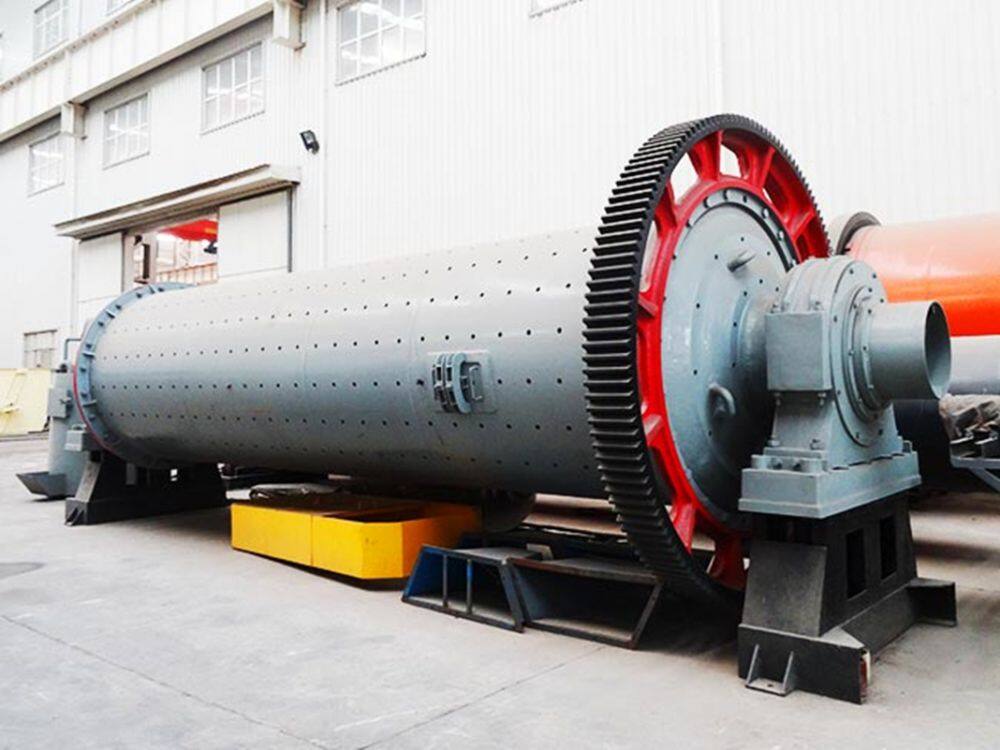
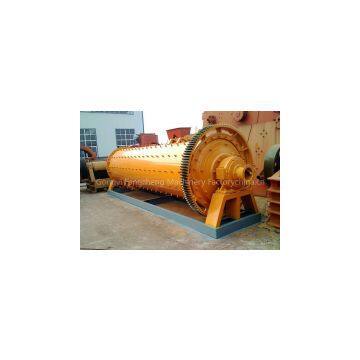
Ball mills / crushers for initial grinding
Screening and separation systems
Salt recovery (evaporation crystallizers or flotation)
Calcination kilns or hydrothermal reactors
Dust control and NH₃ capture systems
Policy Support (in China, EU, etc.)
Inclusion in “Solid Waste Resource Utilization” projects
Possible VAT refunds or exemption
Environmental protection subsidies
Preferential land use and utility rates
8. Challenges and Mitigations
Challenge Mitigation Strategy Corrosive and hazardous nature Use of corrosion-resistant materials & PPE NH₃ and fluoride emissions Install ammonia scrubbers & fluorine filters Market volatility for recovered materials Long-term supply agreements with buyers High initial capital investment Seek green finance, PPP models, or subsidies
9. Conclusion and Outlook
The comprehensive utilization of 100,000 tons/year of secondary aluminum ash is technically feasible, economically profitable, and environmentally necessary. With proper infrastructure, skilled operation, and policy support, such a project can serve as a model for circular economy initiatives in the aluminum industry.
As environmental regulations tighten and aluminum recycling rates grow globally, the need for high-capacity, standardized treatment projects will only increase. Investors and governments alike should view this as a strategic opportunity for sustainable development and industrial transformation.
Let me know if you’d like this turned into a proposal, PowerPoint deck, or investment plan format.

Contact Us
Recommended Products
-
 Low Energy Consumption Ball MillUS$ 10000 - 10000MOQ: 1 Set
 -
Ball Mill for Iorn OreUS$ 8000 - 8000MOQ: 1 Set
-
Ball Mill for CementUS$ 10000 - 10000MOQ: 1 Set
-
Screw Type Biomass Briquette Machine of 24hours Continuously WorkUS$ 3000 - 3000MOQ: 1 Set
-
Best Quality Biomass Briquette Press Machine Made in ChinaUS$ 3000 - 3000MOQ: 1 Set


-
High Output Charcoal Ball MachineUS$ 2000 - 2000MOQ: 1 Set
-
Energy-saving Charcoal Stick Extruder Making MachineUS$ 1000 - 1000MOQ: 1 Set
-
High Quality Spiral Classifier From ChinaUS$ 1000 - 1000MOQ: 1 Set
-
Spiral Sorting MachineUS$ 1000 - 1000MOQ: 1 Set
-
ISO Approved Spiral ClassifierUS$ 1000 - 1000MOQ: 1 Set

-
Energy-saving Mineral Spiral ClassifierUS$ 1000 - 1000MOQ: 1 Set
-
Spiral Classifier for Sale With Low PriceUS$ 1000 - 1000MOQ: 1 Set
-
Experienced Spiral Classifier Hot Sale PriceUS$ 1000 - 1000MOQ: 1 Set
-
2014 New and Advanced Spiral Classifier for Mineral ProcessUS$ 1000 - 1000MOQ: 1 Set
-
Mining Inustry Spiral ClassifierUS$ 1000 - 1000MOQ: 1 Set


-
High Efficiency Spiral Sorting MachineUS$ 1000 - 1000MOQ: 1 Set
-
With Competitive Price Spiral ClassifierUS$ 1000 - 1000MOQ: 1 Set
-
Best Selling Vacuum Making MachineUS$ 10000 - 10000MOQ: 1 Set
-
Full Automatic Vacuum Brick Making MachineUS$ 10000 - 10000MOQ: 1 Set
-
High Quality Vacuum Brick Pressing Machine for SaleUS$ 10000 - 10000MOQ: 1 Set